Osteoglossiformes (Bony tongues)
Elopiformes (Tarpon / Tenpounders)
- Elops sp.
- Esocelops cavifrons
- Protarpon (Megalops) oblongus
- Protarpon (Megalops) priscus
- Promegalops sheppeyensis
- Promegalops signeuxae
- Undescribed Elopiformes
Aulopiformes (Grinners & Lizardfish)
Beryciformes (Soldier/Pricklefish)
Scombriformes (Mackerel & Tuna)
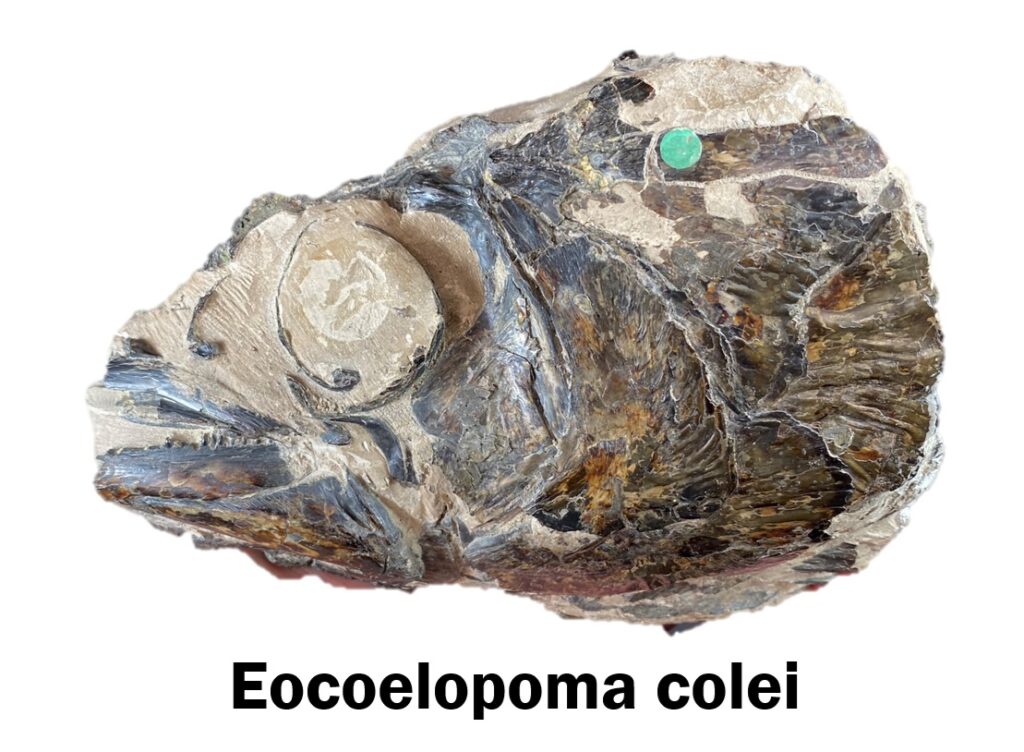
- Eocoelopoma colei
- Eocoelopoma curvatum
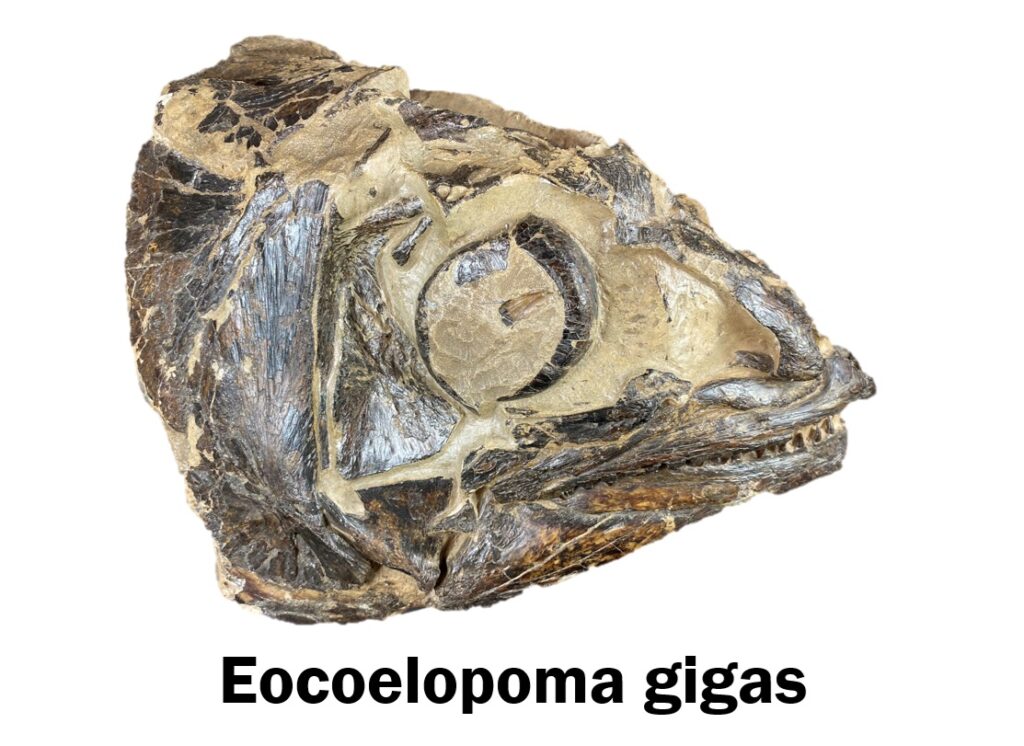
- Eocoelopoma gigas
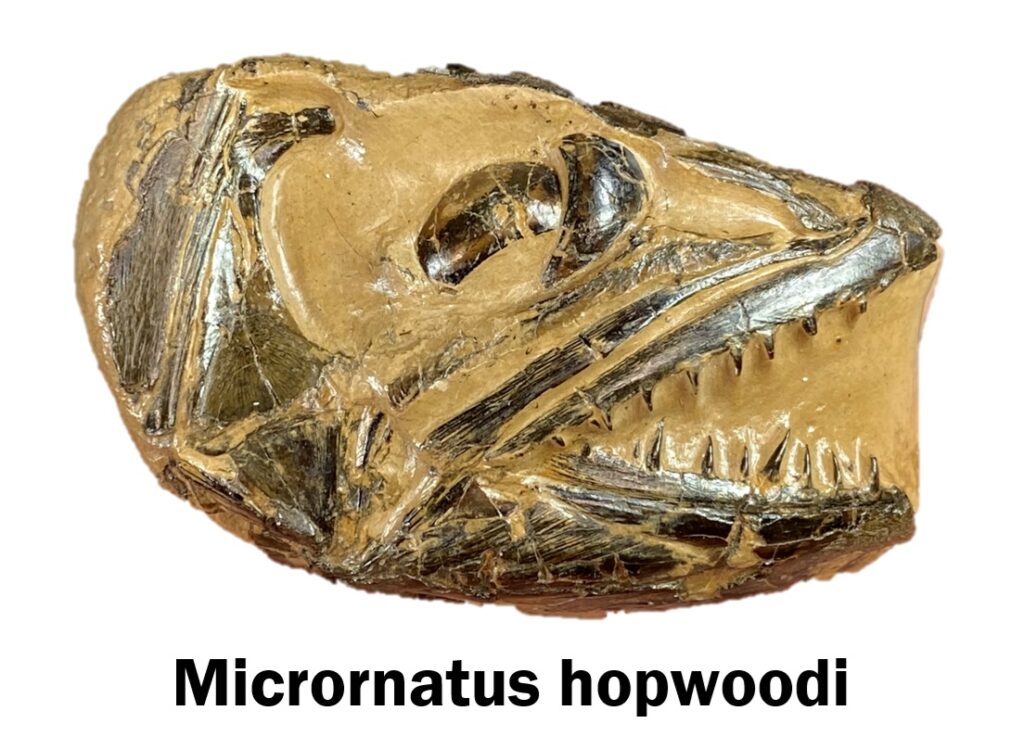
- Micrornatus hopwoodi
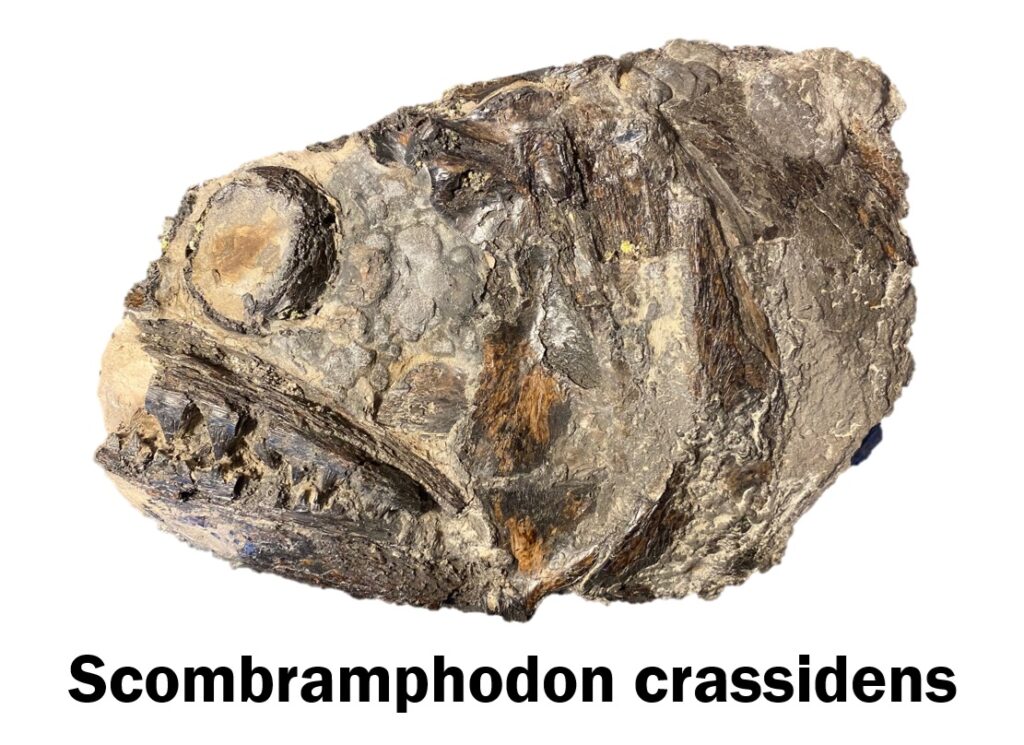
- Scombramphodon crassidens
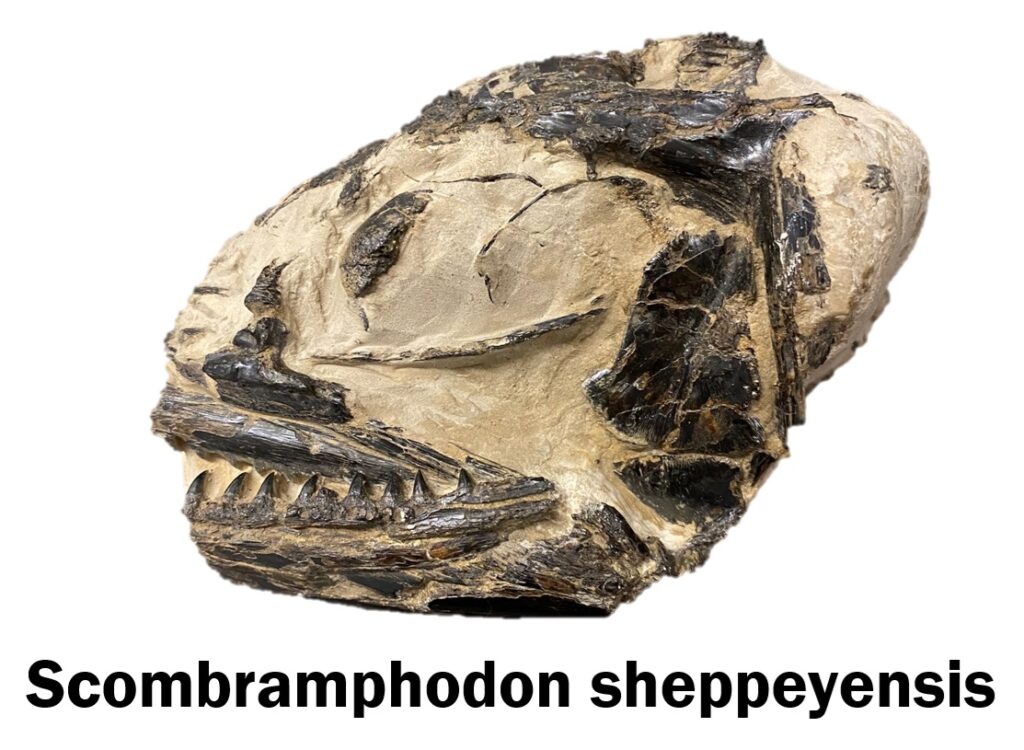
- Scombramphodon sheppeyensis
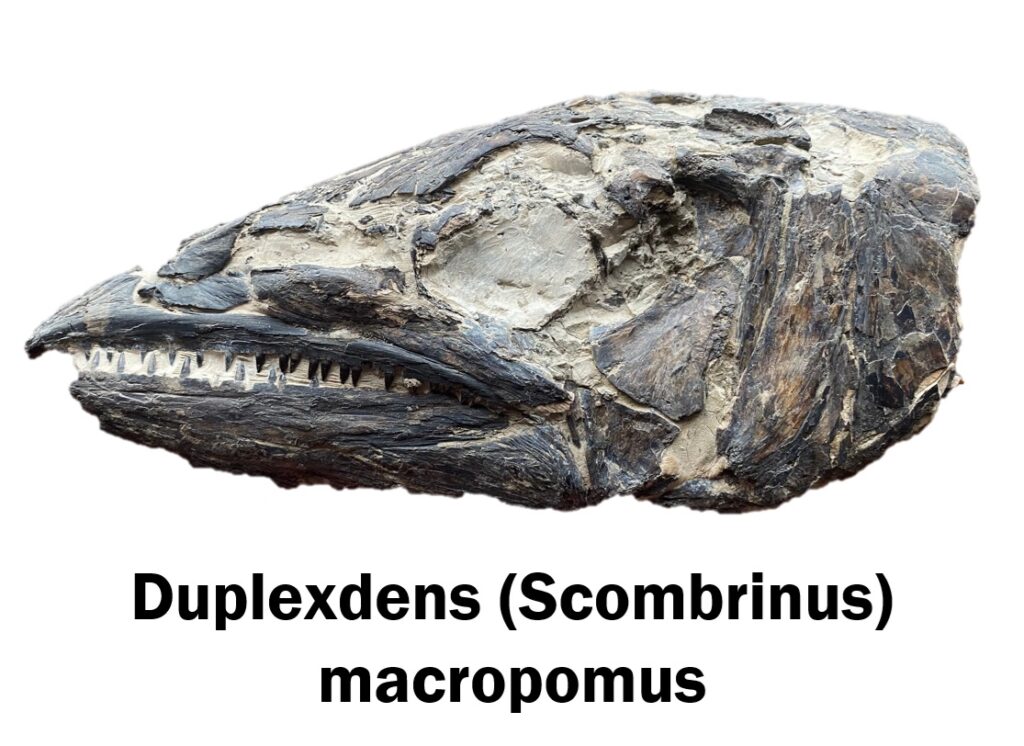
- Duplexdens (Scombrinus) macropomus
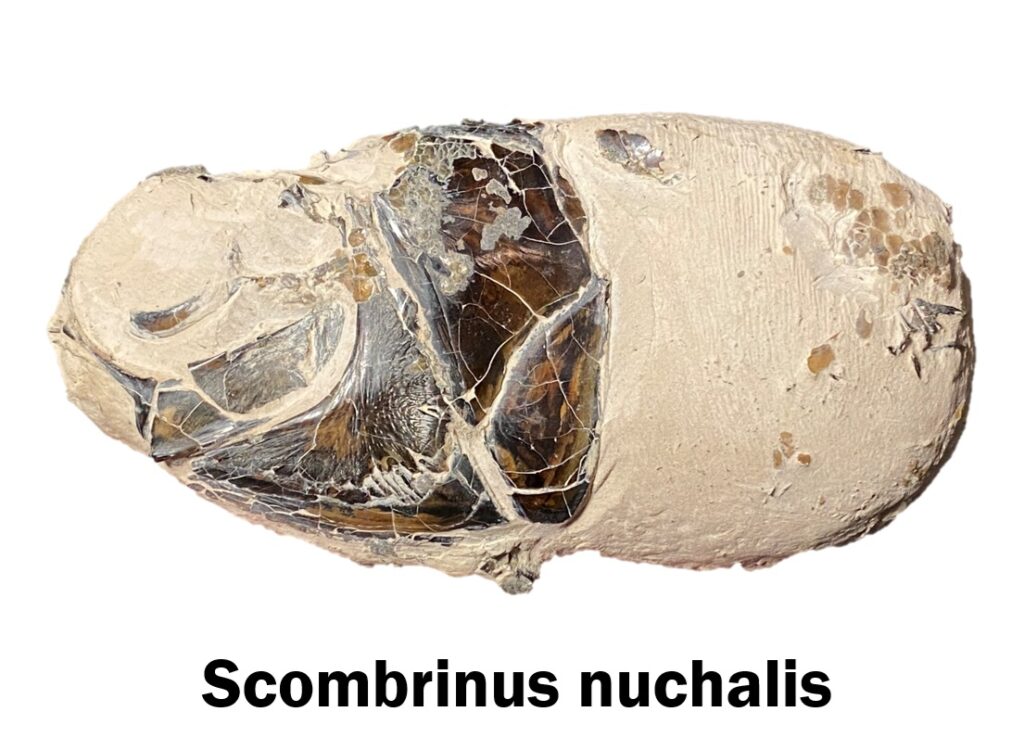
- Scombrinus nuchalis
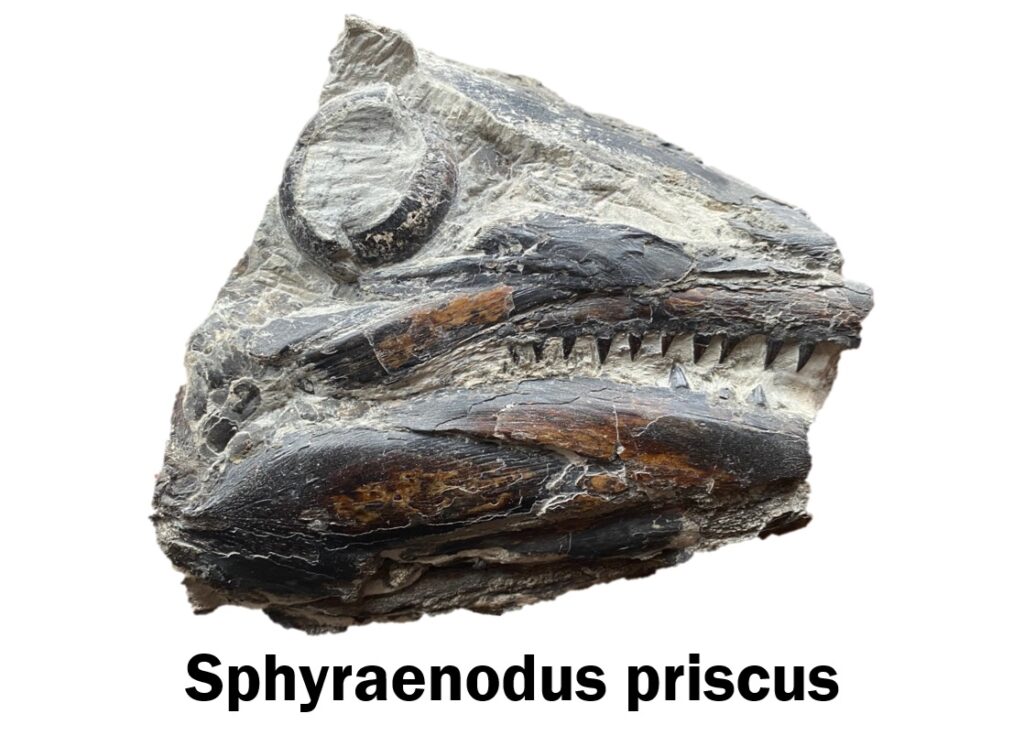
- Sphyraenodus priscus
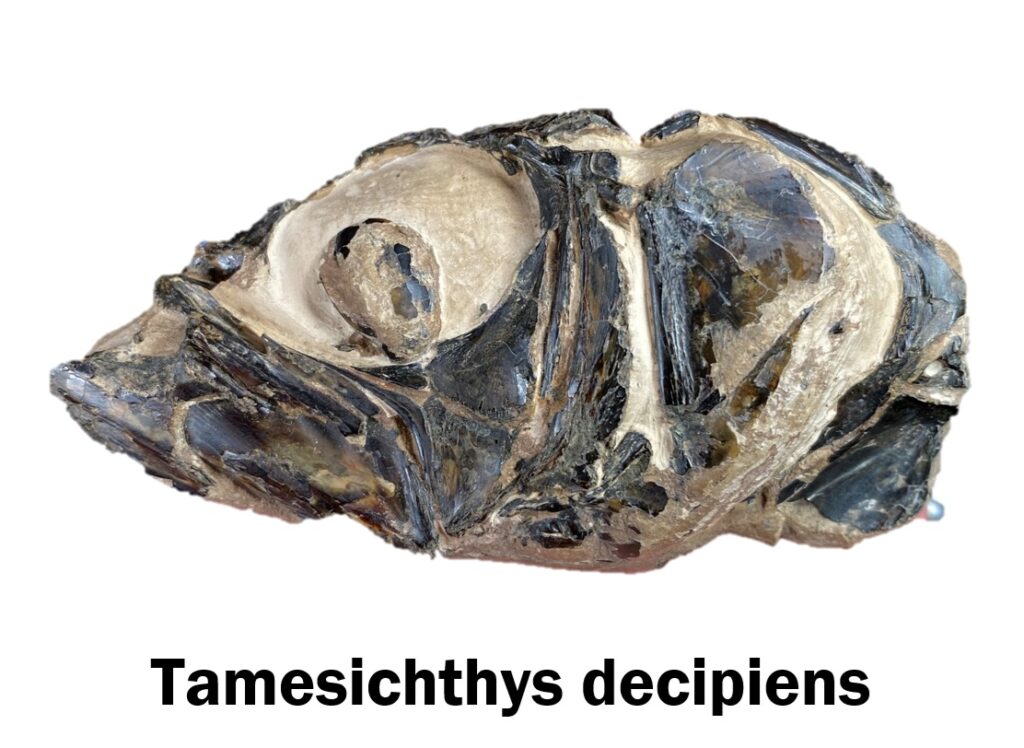
- Tamesichthys decipiens
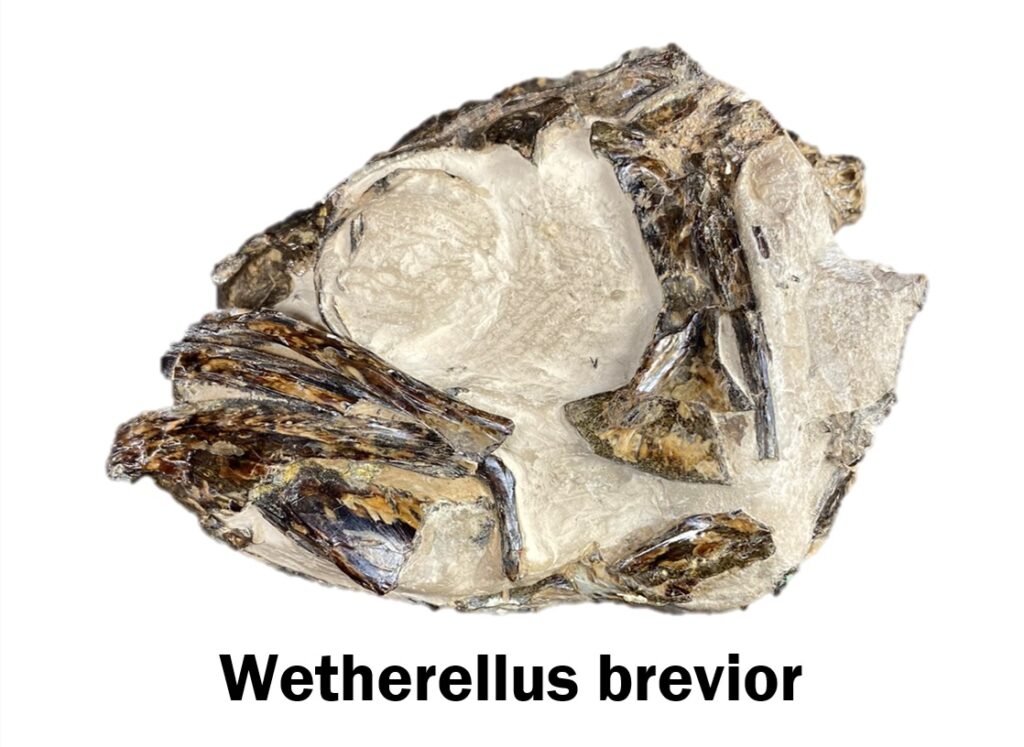
- Wetherellus brevior
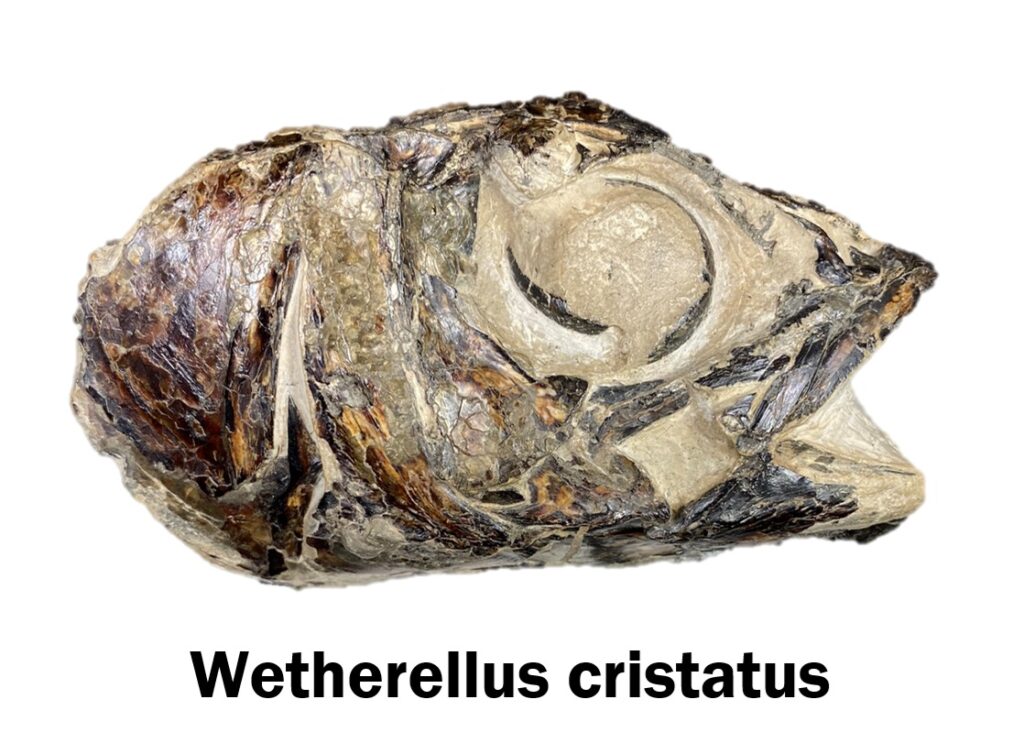
- Wetherellus cristatus
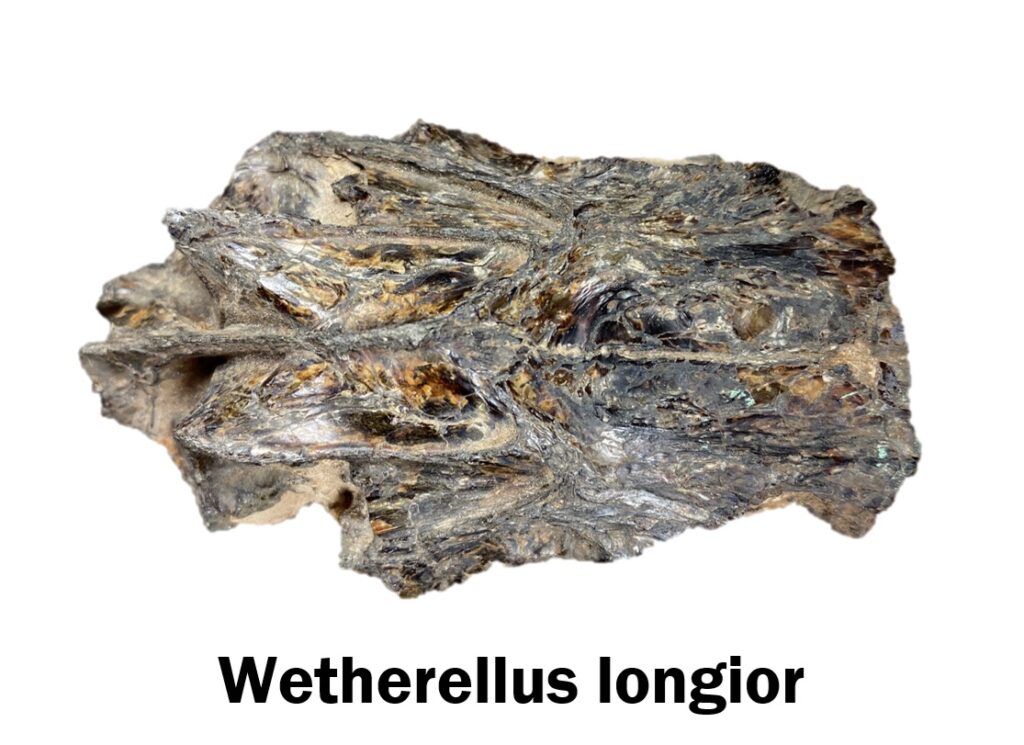
- Wetherellus longior
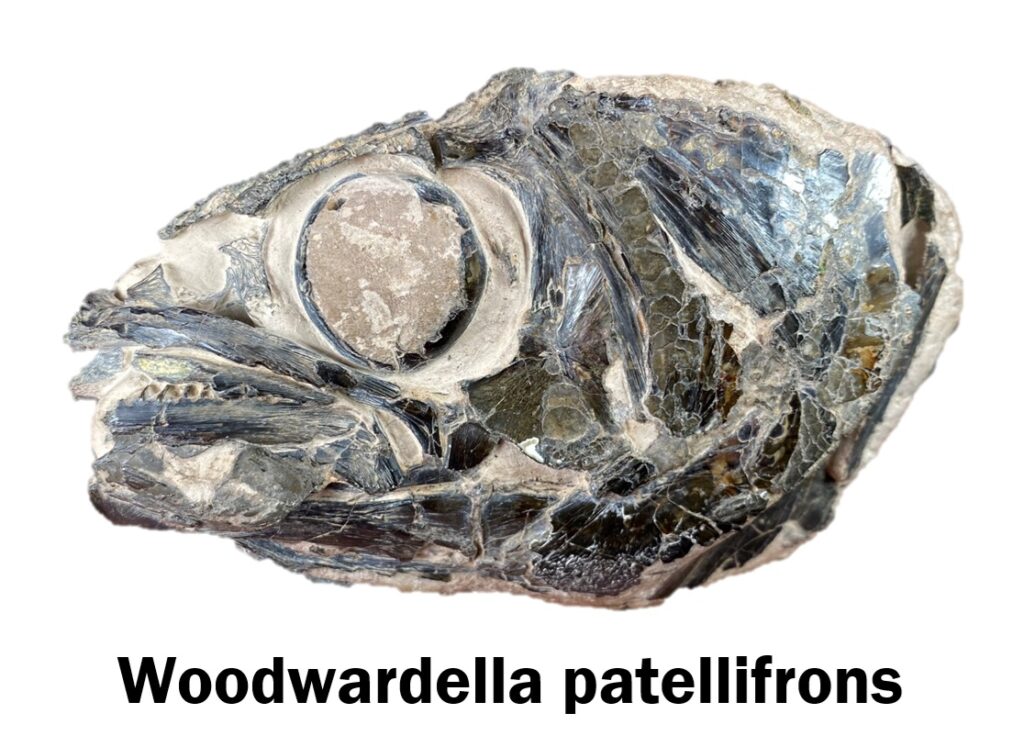
- Woodwardella patellifrons
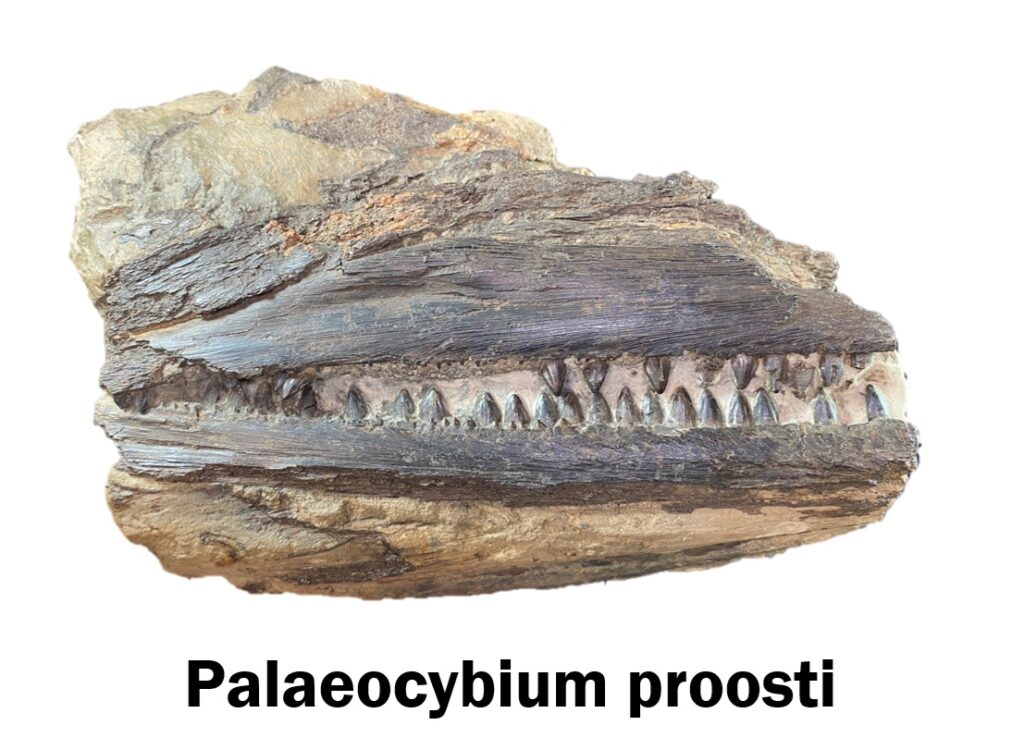
- Palaeocybium proosti
- Bramoides brieni
- Goniocranion arambourgi
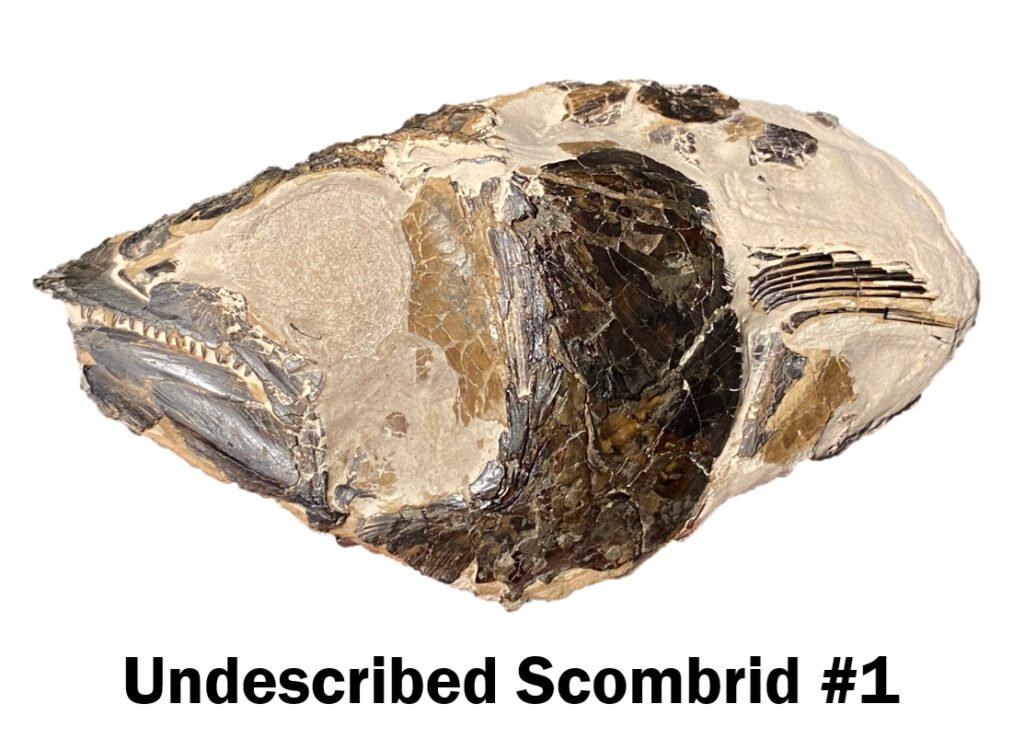
- Undescribed Scombrid #1
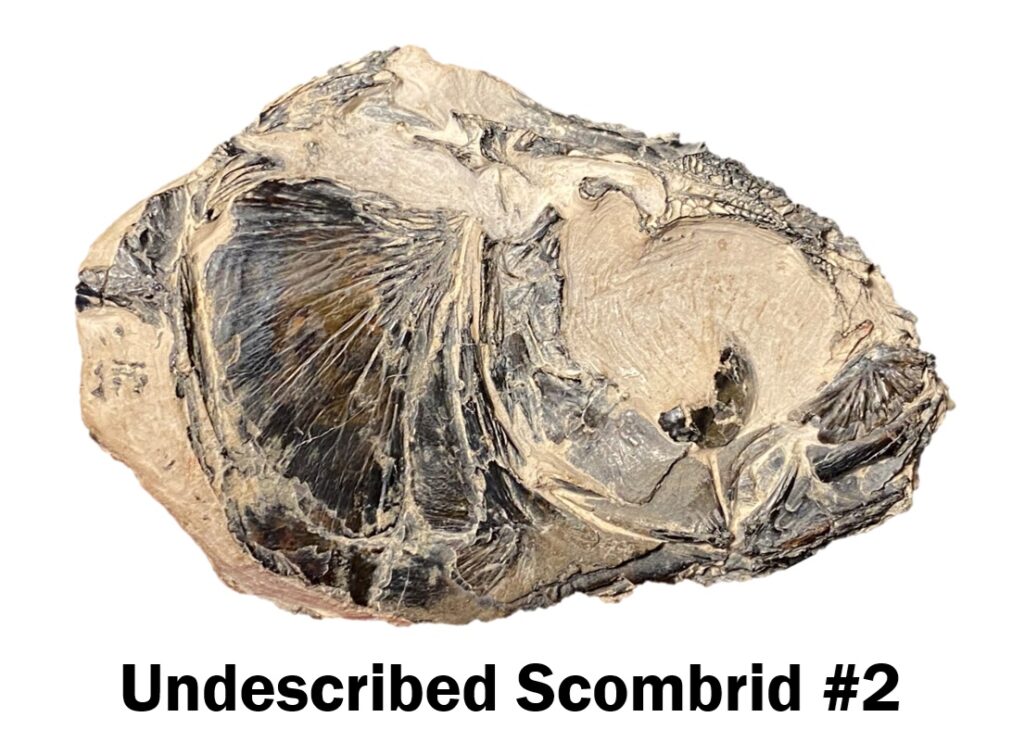
- Undescribed Scombrid #2
Carangiformes (Jack Mackerels)
- Enniskillenus radiatus
- Cylindracanthus rectus
- Hemirhabdorhynchus elliotti
- Acestrus elongatus
- Acestrus ornatus
- Aglyptorhynchus venablesi
- Xiphiorhynchus priscus
Scombriformes (Mackerel & Tunas)
Scientific Classification
Class: Actinopterygii (Ray-finned Fish)
Clade: Percomorpha
Order: Scombriformes
Scombriformes are an incredibly diverse order of ray-finned fish including Mackerel, Tuna, Barracuda, Kingfish, Cutlassfish and Swordfish.
Scombriformes evolved during the Paleocene but enjoyed significant species diversification during the Eocene of which the London Clay showcases well.
Most Scombriformes are pelagic fish (open-ocean) and are highly adapted for speed with streamlined bodies, optimised to reduce drag. Most Scombriformes are the apex predators in their ecological niches.
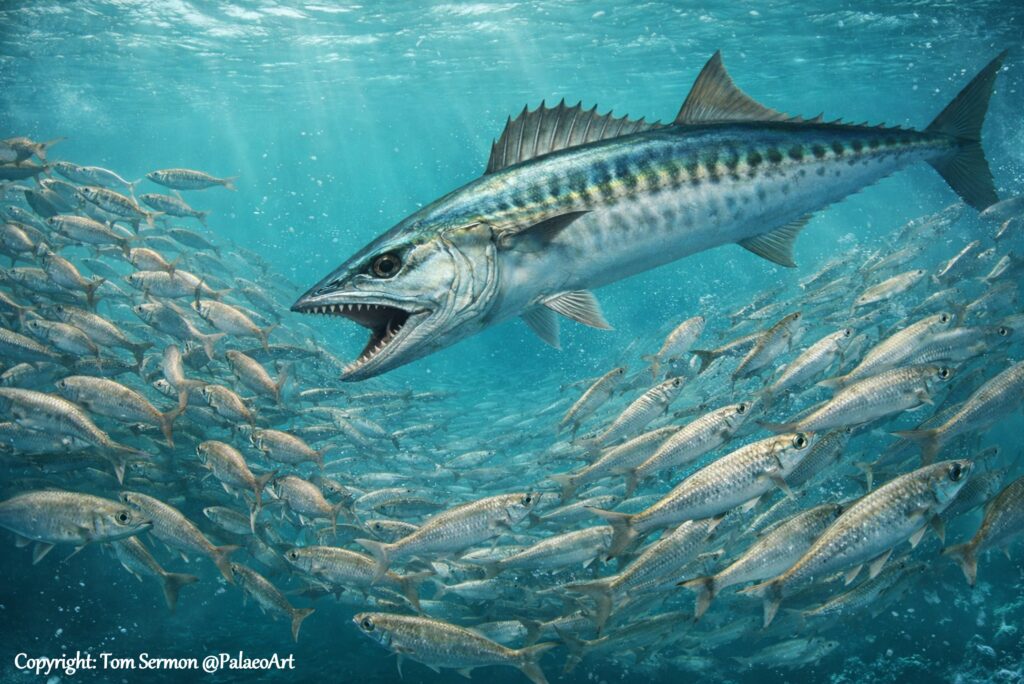
This artistic reconstruction shows a large Duplexdens macropomus hunting a shoal of Halecopsis insignis.